What Are Wheel Alignment Services and Why Do They Matter?
Updated: May 12

Wheel alignment is one of the most important and most commonly overlooked aspects of vehicle maintenance. While many drivers focus on routine servicing, MOT testing and tyre replacement, incorrect wheel alignment can quietly cause uneven tyre wear, poor handling and increased fuel consumption if left unchecked.
At Euroroute Recovery, we provide professional wheel alignment services alongside comprehensive garage services, MOT testing and diagnostics at our centres in Dumfries and St Boswells. In this guide, we explain what wheel alignment is, why it matters, the warning signs to look out for, and how timely alignment can help prevent costly repairs and keep your vehicle driving safely.
What Are Wheel Alignment Services?
Wheel alignment services involve adjusting the angles of your vehicle’s wheels so they are set correctly according to the manufacturer’s specifications. Proper alignment ensures that all four wheels sit squarely on the road surface and work together as intended.
Modern vehicles are designed with precise suspension geometry. Even small deviations can affect how your car steers, brakes and handles. Using advanced equipment such as Hunter 3D wheel alignment technology, our technicians are able to measure and correct alignment with exceptional accuracy.
Why Wheel Alignment Is So Important
Correct wheel alignment plays a crucial role in overall vehicle performance and safety. When your wheels are properly aligned, your car will drive more smoothly, respond more predictably and place less strain on key components.
The main benefits of professional wheel alignment services include improved vehicle handling and steering response, reduced and more even tyre wear, better fuel efficiency, and enhanced driving comfort. Over time, alignment also helps protect suspension and steering components, reducing the likelihood of expensive repairs.
For drivers combining alignment with car servicing in Dumfries, routine checks can help maintain long-term vehicle reliability.
Common Causes of Wheel Misalignment
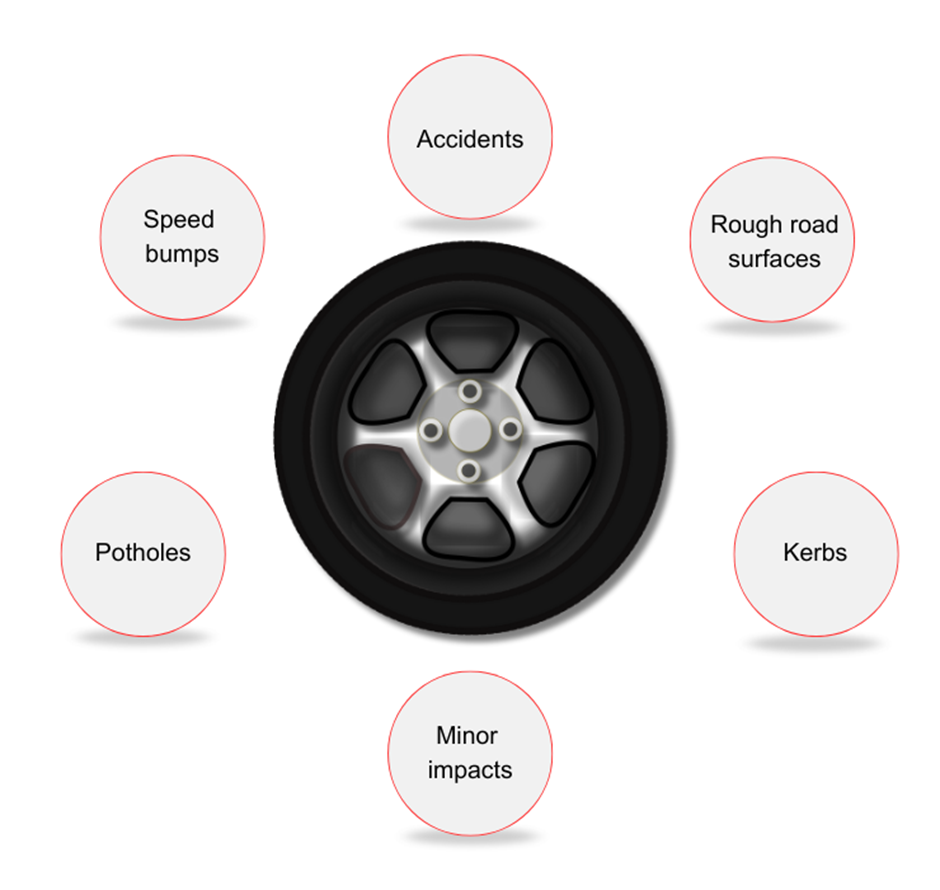
Wheel alignment can be affected by everyday driving conditions. Potholes, kerbs, speed bumps and rough road surfaces can all knock wheels out of alignment. Accidents and minor impacts can also alter suspension geometry, even if visible damage is minimal.
Wear and tear on suspension components over time may also cause alignment to drift gradually, which is why alignment checks are often recommended during servicing or following tyre replacement.
Key Signs Your Wheel Alignment Is Incorrect
Misalignment does not always present obvious symptoms at first, but there are several warning signs drivers should watch for.
One of the most common indicators is uneven tyre wear, where the inner or outer edges of the tyre wear faster than the rest. You may also notice the vehicle pulling to one side when driving on a straight road, or the steering wheel sitting off-centre when travelling straight ahead.
Vibration through the steering wheel, reduced handling performance, or a general feeling that the car is less stable can also indicate alignment issues. If any of these symptoms appear, booking wheel alignment services promptly can prevent further damage.
Understanding Camber, Toe and Caster
Wheel alignment is not a single adjustment but a combination of three main angles: camber, toe and caster.
Camber refers to the inward or outward tilt of the wheel when viewed from the front. Excessive negative or positive camber can cause uneven tyre wear and affect cornering stability.
Toe describes whether the wheels point inward or outward when viewed from above. An incorrect toe is one of the biggest causes of rapid tyre wear and can significantly affect straight-line stability.
Caster relates to the angle of the steering axis and influences steering feel and self-centring. An incorrect caster can make steering feel heavy, light or unstable.
Using industry-leading equipment, our technicians accurately assess and adjust all three angles to restore manufacturer-approved settings.
How Wheel Alignment Supports MOT Testing
While wheel alignment itself is not a specific MOT test item, poor alignment can indirectly cause MOT failures. Uneven tyre wear, steering issues and suspension problems are all checked during MOT testing, and misalignment can contribute to faults in these areas.
At Euroroute Recovery, many customers choose to combine wheel alignment with MOT testing or servicing. This proactive approach helps ensure vehicles pass the first time and continue to perform safely after the test.
Wheel Alignment and Car Diagnostics
Modern vehicles rely heavily on electronic systems to manage steering, stability and suspension. Incorrect wheel alignment can sometimes trigger warning lights or fault codes, particularly on vehicles with advanced driver assistance systems.
Through our comprehensive car diagnostic services, we can identify faults linked to steering and suspension systems and determine whether alignment adjustments are required as part of the repair process. This ensures issues are addressed accurately rather than relying on guesswork.
When Should You Book Wheel Alignment Services?
Wheel alignment checks are recommended at several key points. These include after replacing tyres, following suspension or steering repairs, after an accident or kerb impact, or if you notice uneven tyre wear or handling changes.
Many drivers also choose alignment as part of routine servicing, particularly if they regularly drive on poor road surfaces. Combining wheel alignment with car servicing in Dumfries or St Boswells can help extend tyre life and improve overall driving performance.
Why Choose Euroroute Recovery?
Euroroute Recovery is widely recognised as Scotland’s trusted recovery and garage services provider. With locations serving Dumfries, St Boswells and the wider region, we combine technical expertise with a customer-focused approach.
Drivers choose us for our professional workmanship, modern equipment, transparent pricing and reliable service. Whether you need wheel alignment services, MOT testing or emergency recovery support, our team is committed to keeping you safe and on the road.
Book Wheel Alignment Services Today
If your vehicle is showing signs of uneven tyre wear, poor handling or steering issues, wheel alignment may be the solution. Early intervention can help prevent costly repairs, improve fuel efficiency and restore driving confidence.
To book professional wheel alignment services, MOT testing, car diagnostics or car servicing in Dumfries, contact us today.